2T
Two Tracker
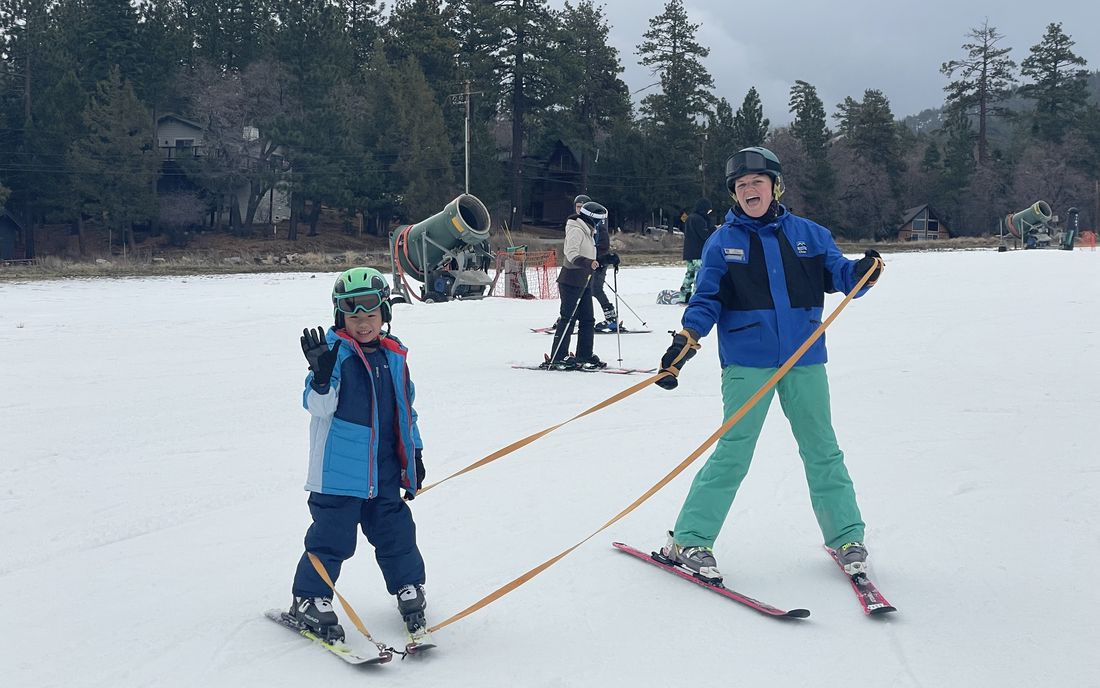
Just like traditional skiing — two legs, two boots, two skis. Your instructor adds devices and techniques that control speed, direction and fatigue.
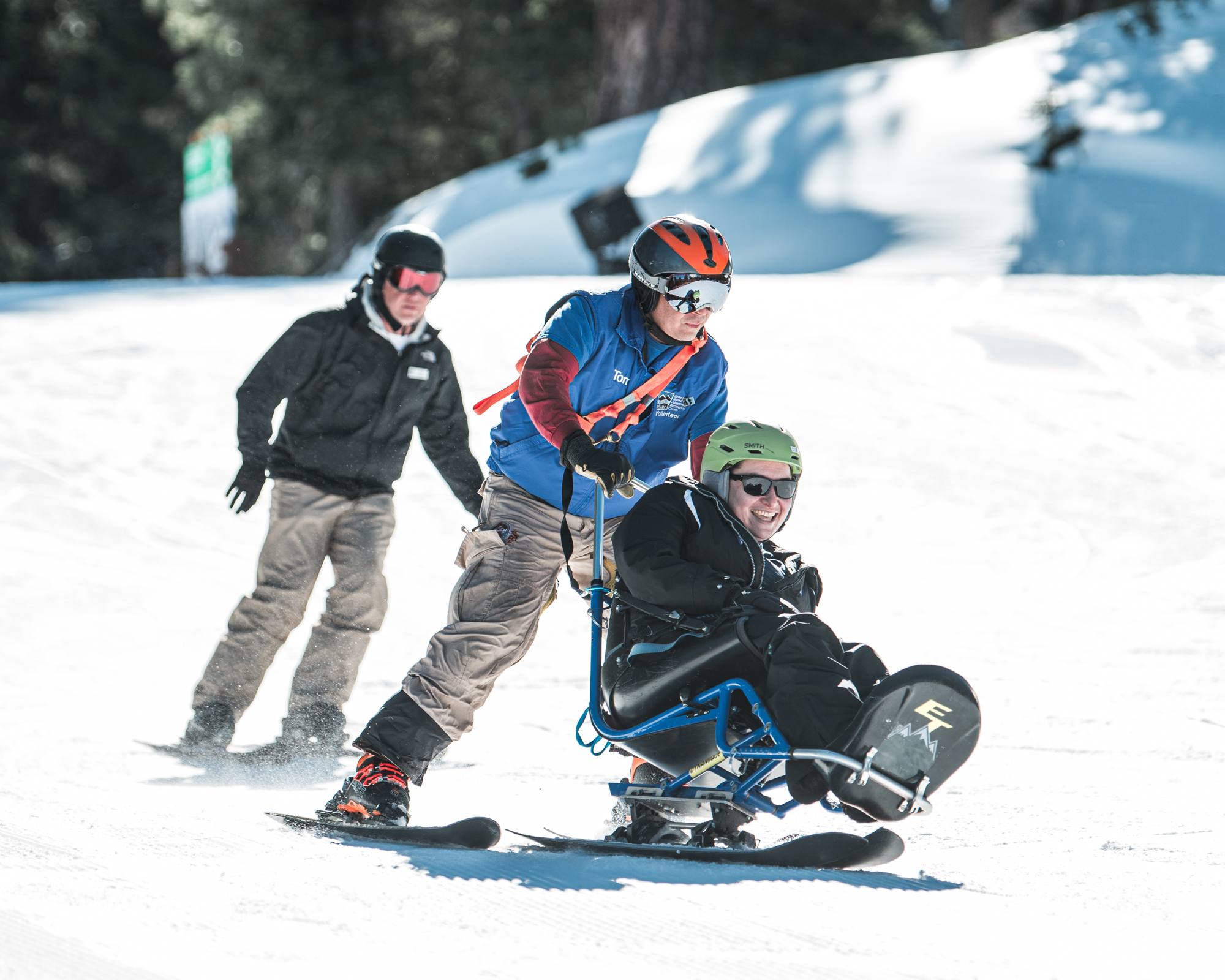
Adaptive ski and snowboard program
From December through March, private one‑on‑one instruction at Big Bear Mountain Resort — using the best adaptive equipment and teaching techniques available, matched to what each participant can do.
Already registered this winter? Sign in to your account
How a lesson works
Every student is individually assessed by an instructor, outfitted with the right adaptive equipment, and led through the lesson at a safe but challenging pace.
The equipment is matched to the person, whether that is a mono‑ski, a bi‑ski or outriggers. Beginners start on gentle terrain, and the terrain grows as their skills do.
Standing options
Strength, balance, and range of motion decide which standing option fits. There is plenty of adaptive equipment either way.
Just like traditional skiing — two legs, two boots, two skis. Your instructor adds devices and techniques that control speed, direction and fatigue.
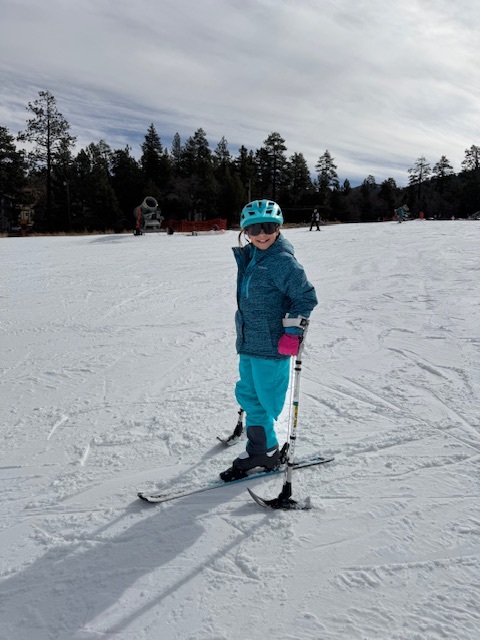
Skiing on one leg, with two hand‑held outriggers or a slider assisting balance and turning. Suits people with amputations, atrophy, or range‑of‑motion and discomfort issues.
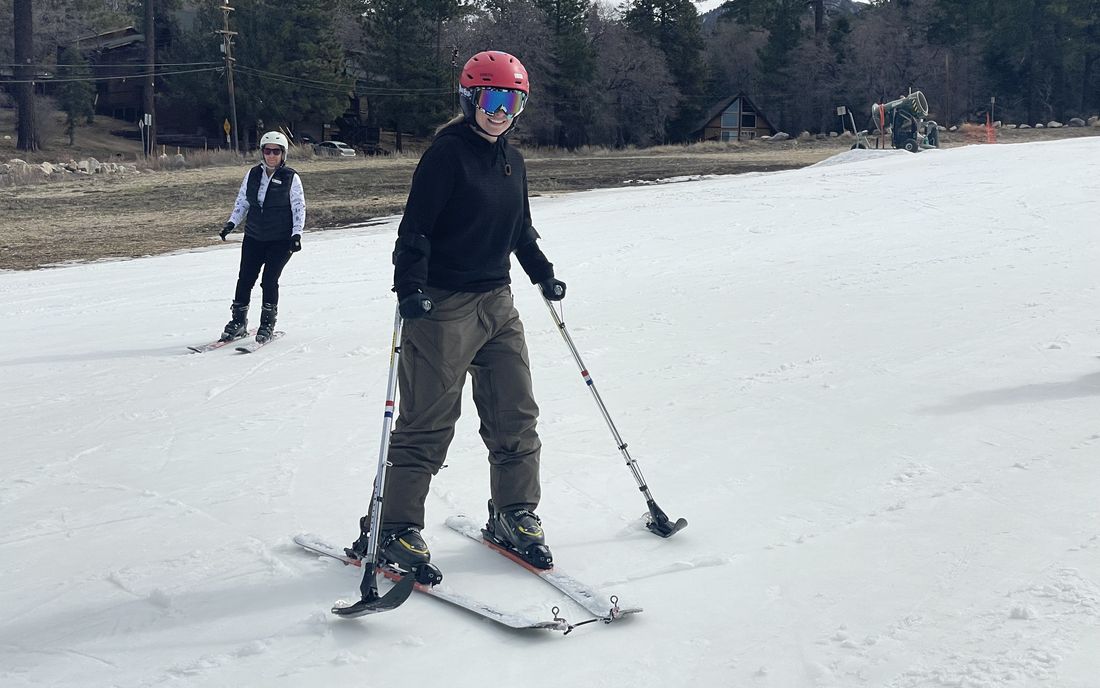
Two boots and two skis, with hand‑held outriggers or a slider added to assist balance and reduce fatigue across the day.
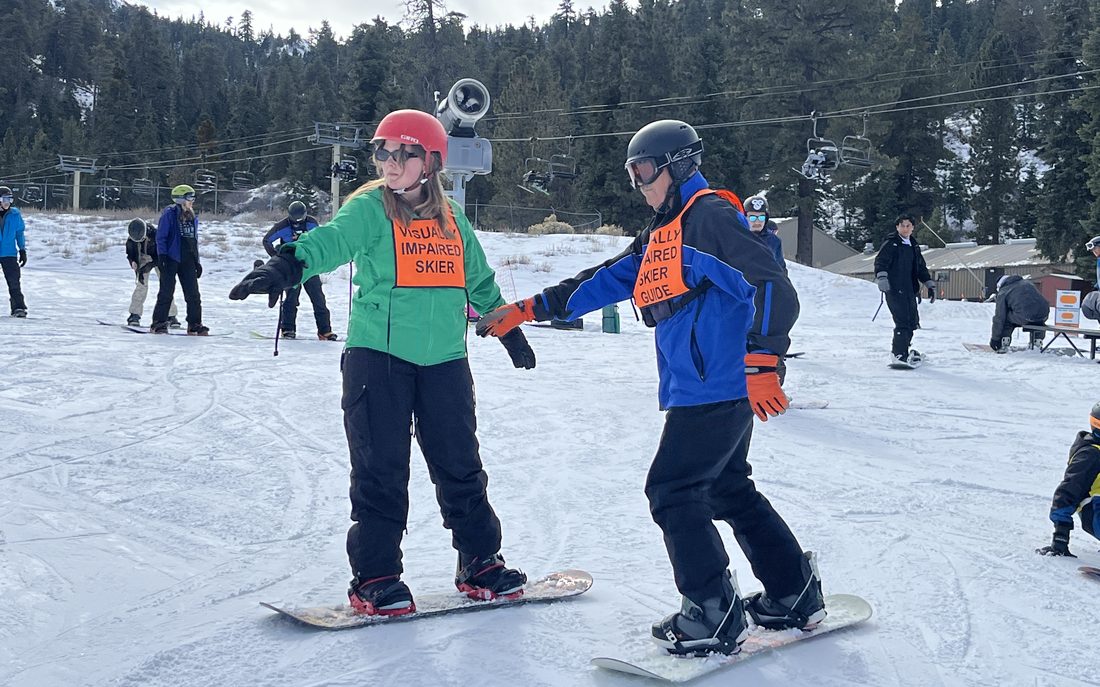
Two boots, one board, and plenty of bending over, sitting down, and standing up. Instruction uses a range of adaptive equipment to get you up and riding.
Seated options
If standing to ski is a concern, USARC has you covered. Every seated option puts you on the same runs as everyone else.
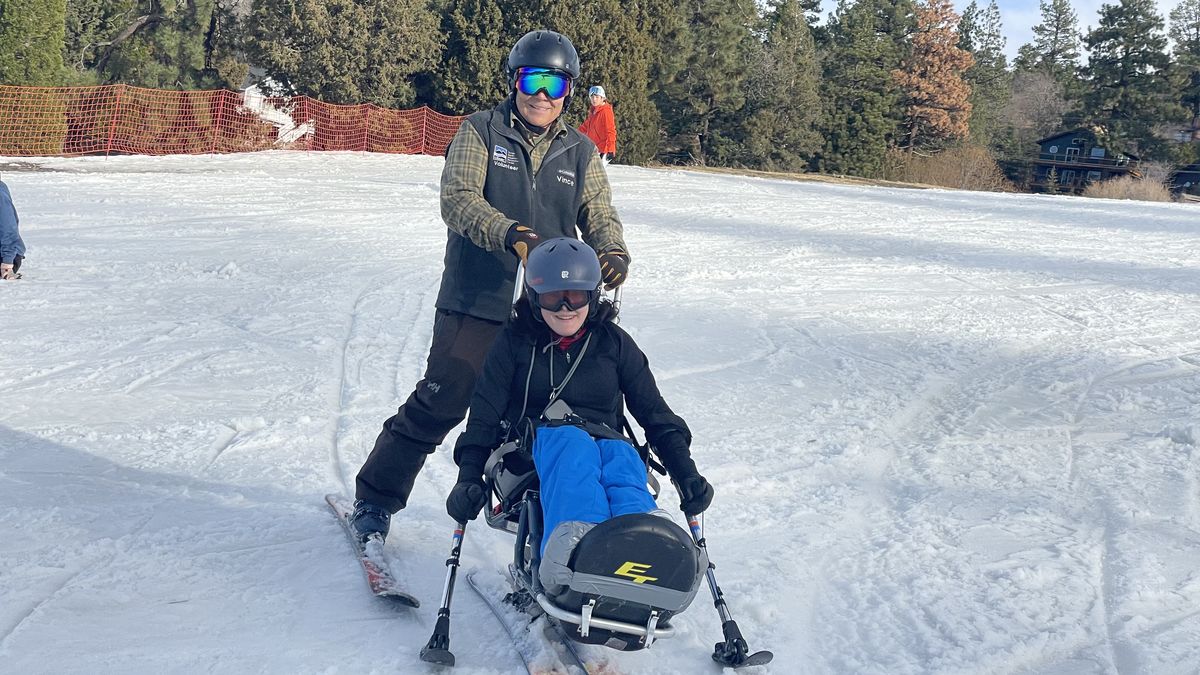
An adaptive ski with two skis underneath, used with either hand‑held or fixed outriggers. Bi‑skiers work with an experienced instructor who helps control speed and turn shape.
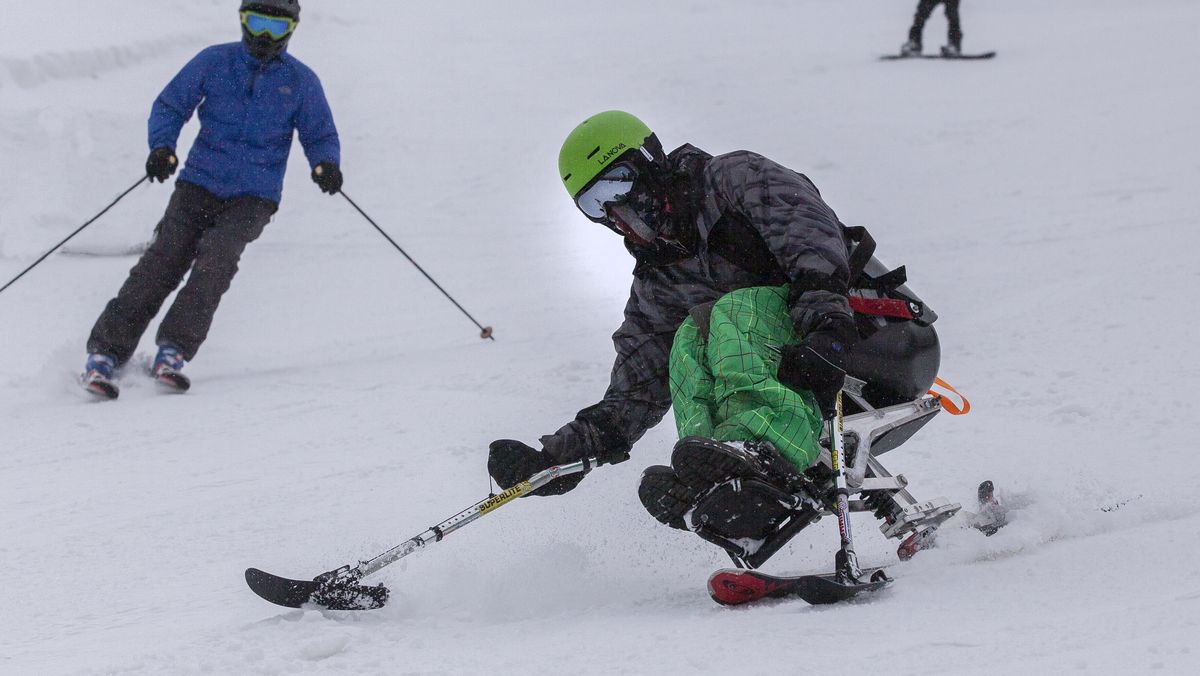
An adaptive ski with one ski underneath, skied independently using hand‑held outriggers. It asks for a decent amount of shoulder and arm strength along with upper‑body mobility.
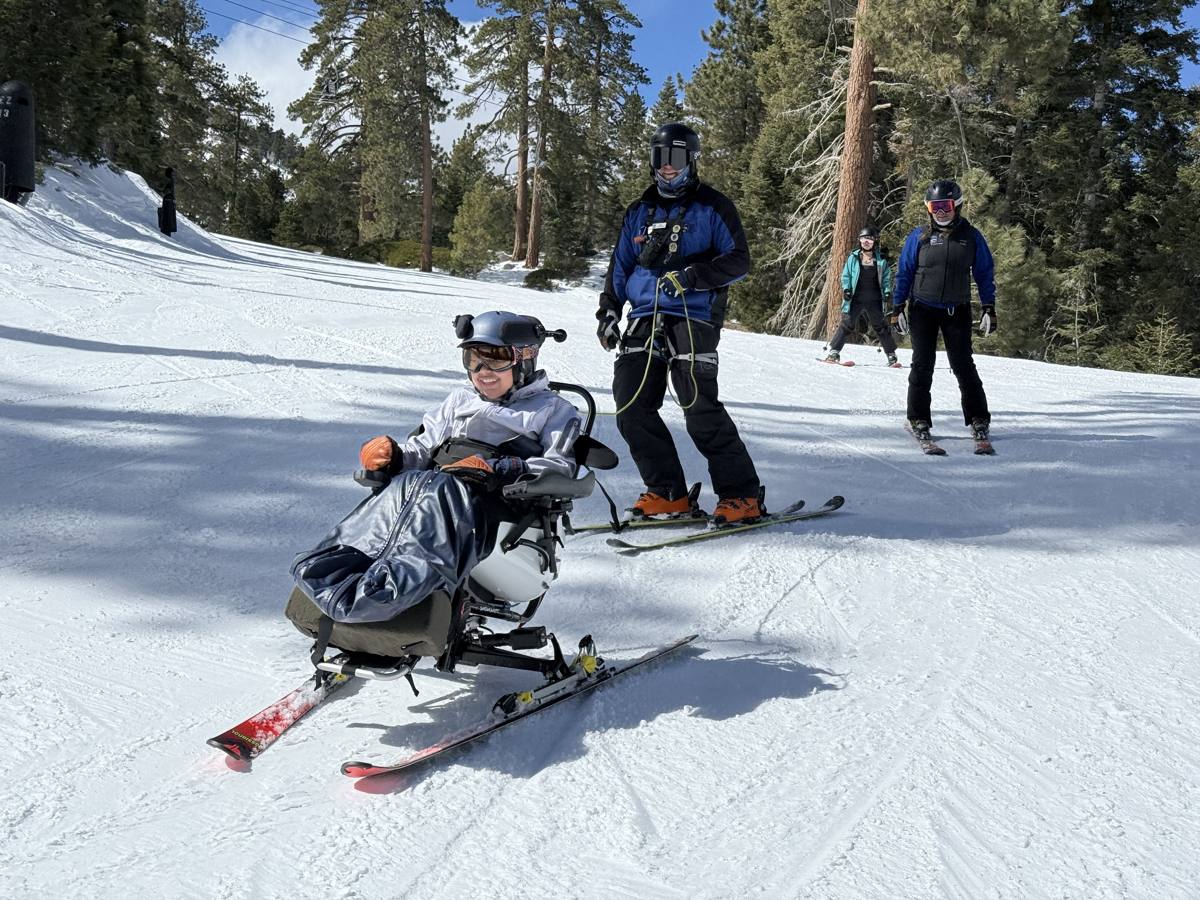
A completely mechanical sit‑ski designed for people with high‑level injuries. This state‑of‑the‑art ski can be controlled by the skier with a joystick or sip‑and‑puff technology.
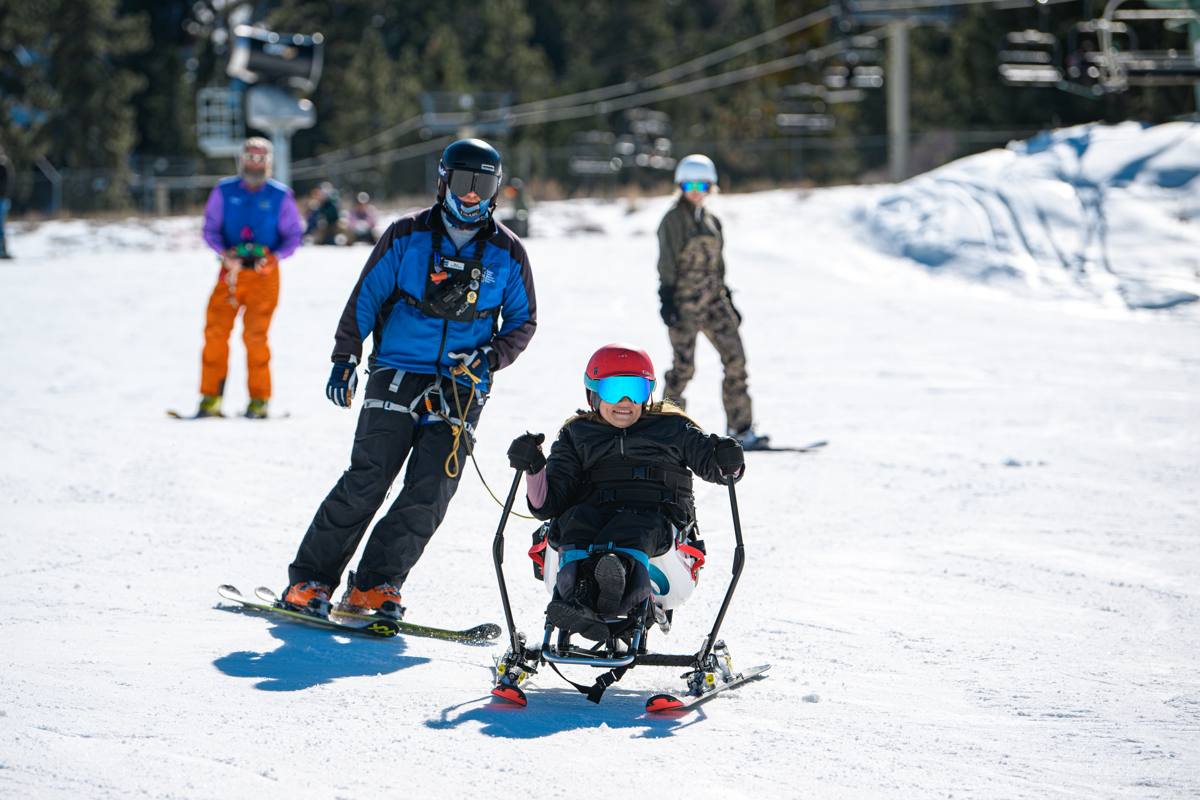
A sit‑ski the skier turns using lever arms. The instructor is tethered to the ski for speed control.
Pricing
Both include private instruction, your lift ticket, and every piece of equipment you need for the day.
Half‑day lesson
$120
Morning 9:30 am – 12:00 pm
Afternoon 1:00 pm – 3:30 pm
Full‑day lesson
$170
Full day 9:30 am – 3:30 pm
How to reserveNow taking reservations
The participant information form and the reservation are two separate steps. The form tells USARC about the participant. The phone call books the lesson.
Reservations for the ski season are taken by phone only. Email reservations are not accepted.
Get involved
Winter lessons run on volunteer adaptive instructors, and USARC trains every one of them before they work with a participant. No prior adaptive experience needed.